REVIEW · SIEM REAP
Sunset Dinner Tour: Tonle Sap Lake Floating Village
Book on GetYourGuide →Operated by Tara Riverboat · Bookable on GetYourGuide
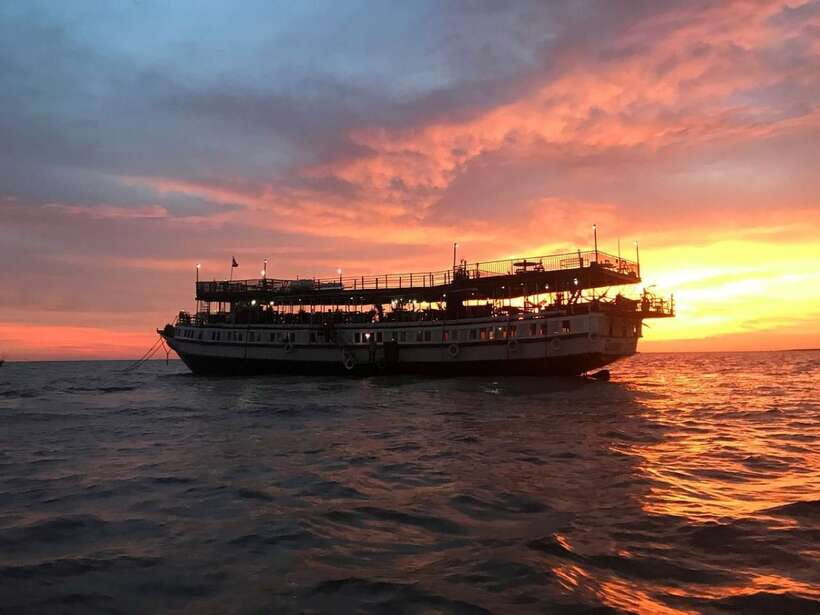
Sunset on a floating village beats temples. I like the late-afternoon cruise across Tonle Sap Lake, and I love that the Queen Tara turns dinner into part of the scenery with unlimited drinks on board. The one catch: the meal is solid and filling, but it’s not five-star dining.
This tour also gives you the backstory that makes the views make sense. You ride out from Siem Reap around 15:30, bounce past rice and lotus fields, hop onto smaller boats for close views, and then finish the evening on a big deck watching the light melt over the water.
In This Review
- Key points before you go
- Why Tonle Sap’s Floating Village Looks So Different After 4 PM
- The 15:30 Pickup, Road to the Lake, and How You Start the Evening Calm
- Lotus Fields and Lotus Crafts: The Cultural Photo Stop With a Purpose
- Mini Tara to the Water: Why the Small-Boat Legs Matter
- Crocodile and Fish Farm Stop: What You Learn and What to Consider
- Floating Villages in Motion: The Water Level Factor You Can Actually See
- Boarding Queen Tara: Dinner Turns Into the Main Event
- Sunset Deck Reality Check: Overcast Still Works
- Group Size, Guide Style, and Why Names Matter
- Is This Tour Good Value at $49?
- Who Should Book This Sunset Dinner Tour
- Should You Book It or Skip It?
- FAQ
- How much is the Sunset Dinner Tour and how long is it?
- What is included in the price?
- Does the tour include drinks with alcohol?
- Where do you start from in Siem Reap?
- Is the floating village route the same every day?
- Will you always visit the crocodile and fish farm?
- How much do children pay?
Key points before you go
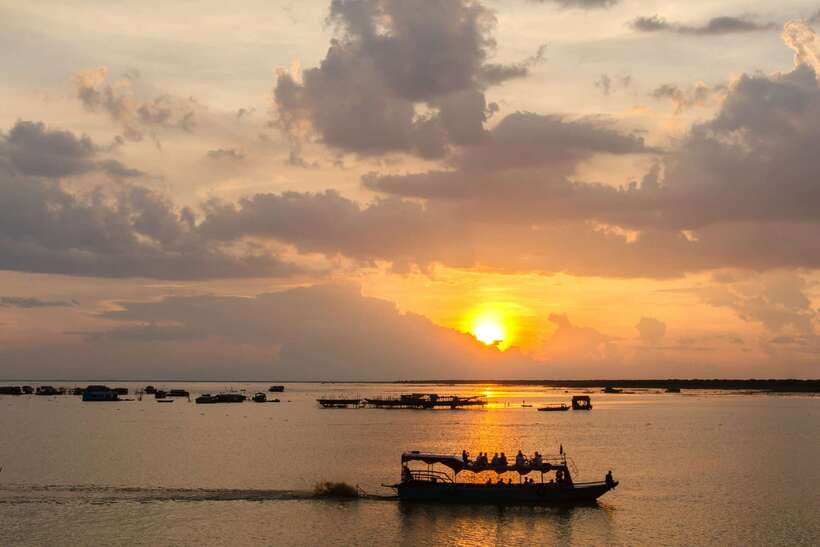
- A real sunset dinner setup: cruise, buffet or fixed meal, then sunset while you’re already on the lake
- Unlimited drinks aboard Queen Tara: beers, cocktails, wines, spirits, soft drinks, and juices included
- Floating villages tied to water levels: where you see them (canals vs. lake proper) can change
- Crocodile and fish farm stop: timing depends on current water levels, so it may vary day to day
- Lotus-focused culture stop: you may see lotus silk/craft themes and photo opportunities in the right season
- Hotel pickup and drop-off included: driver + English-speaking guide take care of the moving parts
Why Tonle Sap’s Floating Village Looks So Different After 4 PM
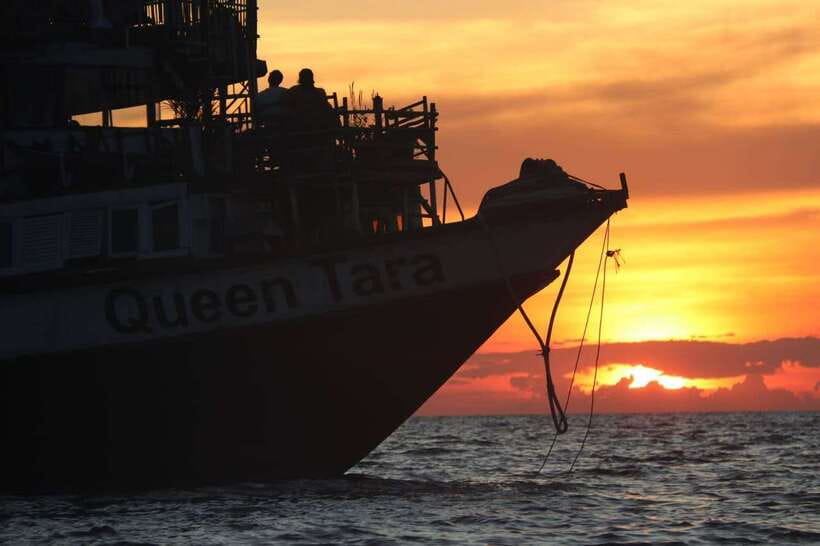
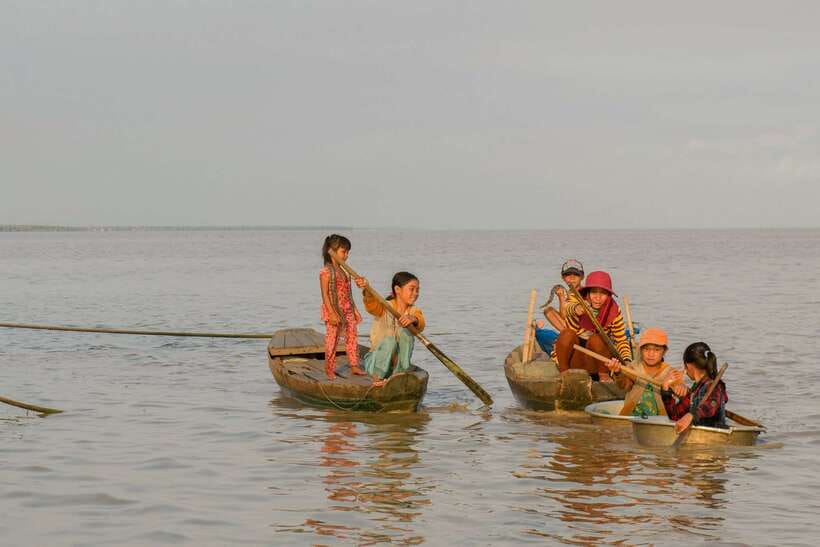
Tonle Sap Lake has a way of making you change your brain setting. By late afternoon, the light goes softer, and the whole floating village scene feels less like a photo stop and more like daily life in motion. You’ll hear the water slap against the boat, then watch houses and pathways rise and fall with the lake.
What I like most is the pacing. You’re not rushed from one viewpoint to another. Instead, you’re on the water long enough to get your bearings, notice the different boats and routines, and understand why the floating community has stayed practical for generations.
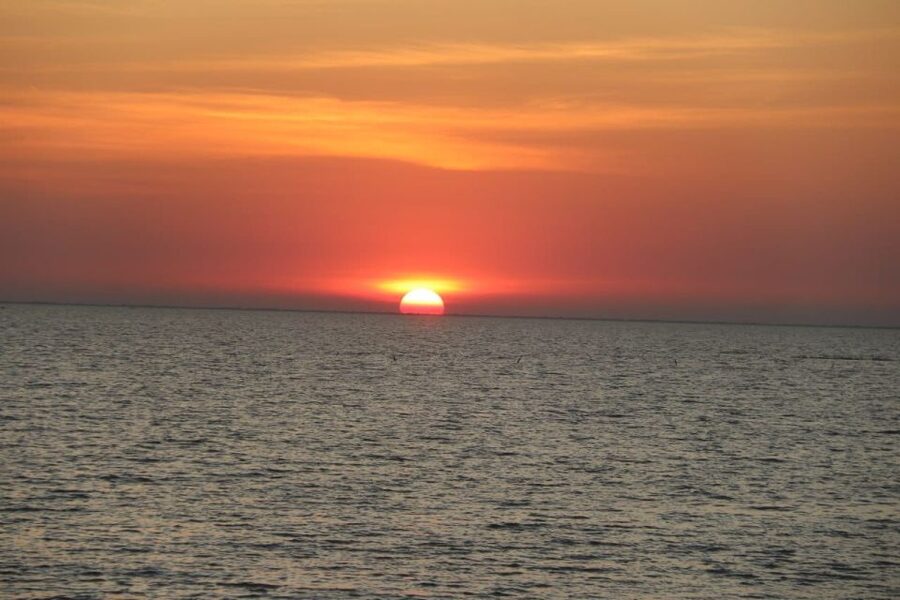
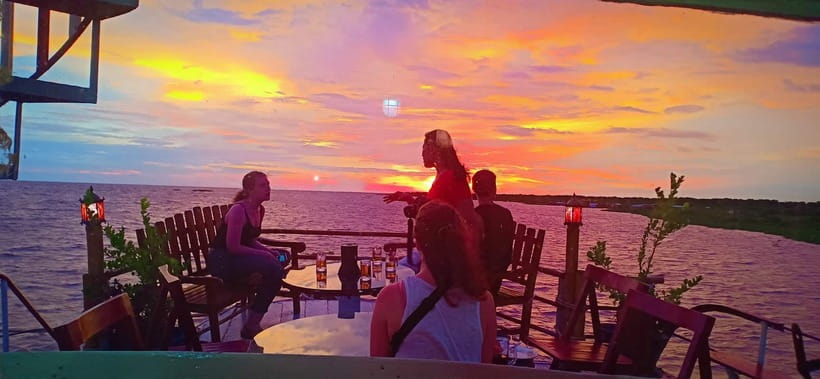
And yes, the sunset matters. It’s the finale: you’re relaxed with a drink in hand while the horizon turns gold and orange over Tonle Sap.
A few more Siem Reap tours and experiences worth a look
The 15:30 Pickup, Road to the Lake, and How You Start the Evening Calm
Most tours like this start with a scramble. This one starts with transport that’s meant to feel comfortable. You’ll be picked up from your hotel or guesthouse around 15:30, using an air-conditioned car or tuk tuk, depending on how your group is arranged.
On the ride, your English-speaking guide points out what you’re seeing—rice paddies, lotus fields, and everyday local farming scenery. You’ll often get a chance to pause for photos of lotus flowers when conditions and season line up.
This is also where the timing helps. Leaving mid-afternoon means you reach the port and the boats before the light gets dramatic, so you don’t feel like you’re sprinting to catch the best colors.
Lotus Fields and Lotus Crafts: The Cultural Photo Stop With a Purpose
One of the stops before the boats is a lotus-themed farm area. The goal isn’t only pretty pictures. You learn why lotus matters in Buddhism and why it’s important in local life.
Depending on the time of year, the lotus and rice views can look very different. In the best months, flowers can be a real highlight. In other months, you might mostly get the stilted environment and the crafts angle rather than full-on bloom scenes.
Some days include lotus craft themes that go deeper than you’d expect. I’d mentally file it as: lotus flowers aren’t just decoration. They connect to how locals use plants, including lotus stems and materials used for making cloth (when demonstrations or workshops are available).
Photo advice that’s practical: go for the wide shots first, then switch to close details of stilted setups and lotus plants. That way you’re not fighting for angles once people gather.
Mini Tara to the Water: Why the Small-Boat Legs Matter
Once you arrive at the port, you don’t stay on one boat the whole time. You transfer to a smaller Tara boat for the main lake section.
This small-boat segment matters because it changes your scale. You’re closer to village edges, you can see how people move between floating structures, and you get that sound effect—water lapping along the side—that makes the lake feel alive.
Your driver is experienced, and the goal is a smooth ride rather than “adventure for the sake of it.” If you’re the type who likes to watch first and ask questions second, this portion gives you the window to do that.
Crocodile and Fish Farm Stop: What You Learn and What to Consider
At some point during the lake cruising, the itinerary typically includes a visit to a crocodile and fish farm. The important word here is dependent. The tour notes this stop can change based on current water levels.
When you do get the chance to visit, you’ll learn about local trades tied to lake life. You also get the chance for a closer look at crocodiles and how they’re cared for and kept in the farm setting, rather than just seeing them from far away.
A fair heads-up: this is one of those stops where you should keep your expectations realistic. It’s not a “cute animal show.” It’s about working practices on the lake, and that can feel a bit heavy for some people.
If you’re traveling with kids, this stop can still be interesting, but it helps to frame it as education about how livelihoods work in the Tonle Sap ecosystem.
Floating Villages in Motion: The Water Level Factor You Can Actually See
Here’s the part that makes Tonle Sap different from a one-time “static village tour.” The floating communities shift with the water cycle. The tour experience is designed around that reality.
Depending on the season, the floating villages may be in river canals or out on the lake proper. Either way, the cruise aims to show you the floating villages across the route, not just one dock and done.
You’ll notice that the community isn’t just “houses floating.” People build daily routines around water depth—fishermen and their families working together, with schools and churches sometimes appearing as part of the floating layout as the levels change.
One standout detail you may catch on a good day: village movement can happen multiple times per year as water rises and falls. That means the same area can look like a different neighborhood over time, even though the overall way of life remains familiar.
If you’re a photography person, watch for patterns rather than single moments:
- lines of boats and walkways
- where homes cluster
- how people travel between points
- the way light bounces off water surfaces
Those small patterns are what make the scene feel real.
Boarding Queen Tara: Dinner Turns Into the Main Event
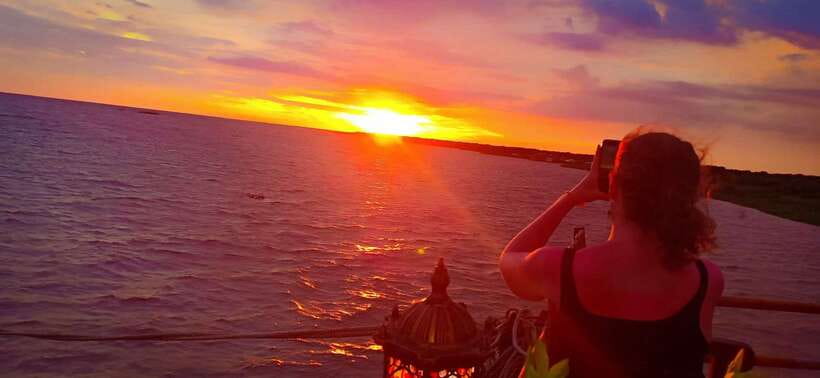
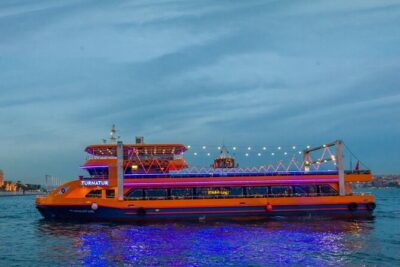
After the floating village cruising, you head back toward the big boat: the Queen Tara. This is the biggest boat on the lake, and it becomes your “home base” for the meal and the sunset.
This is where the value shows. Your buffet or fixed menu meal is served on board, and drinks are included without a cash scramble.
The unlimited drinks list is clear: beers, cocktails, wines, spirits, soft drinks, and juices. That’s a lot for a tour at this price point, and it matters because it keeps the evening relaxed. You’re not doing math every time you want another drink while waiting for sunset.
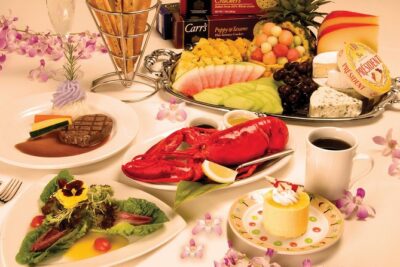
Food note: the meal is described as a full buffet or fixed menu, and it’s meant to be comfortable and satisfying after time on boats. It’s not positioned as fine dining. If you eat “tour food” expecting variety and decent quantity, you’ll be happy.
Practical comfort tip: choose your seating based on how you want to experience the sunset. If you want more breeze and views, you’ll likely prefer open deck spots. If you want easier access for refills and steady dining, choose nearer the service flow.
Sunset Deck Reality Check: Overcast Still Works
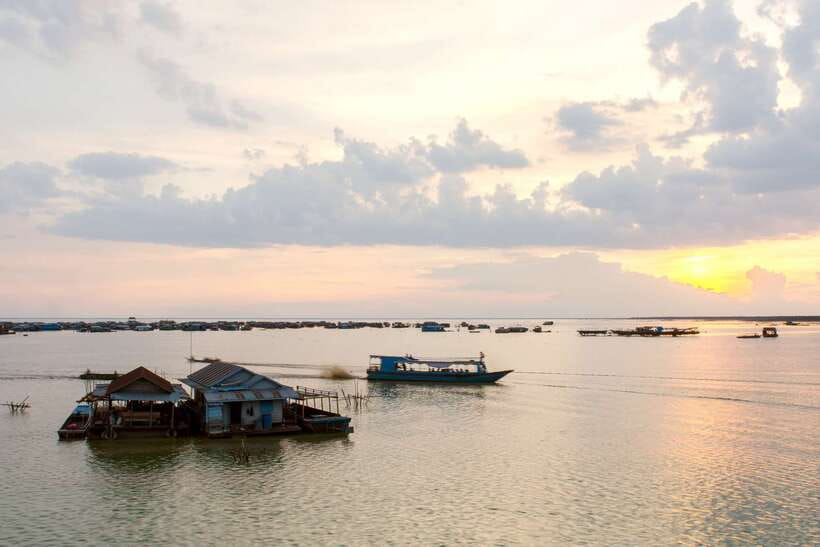
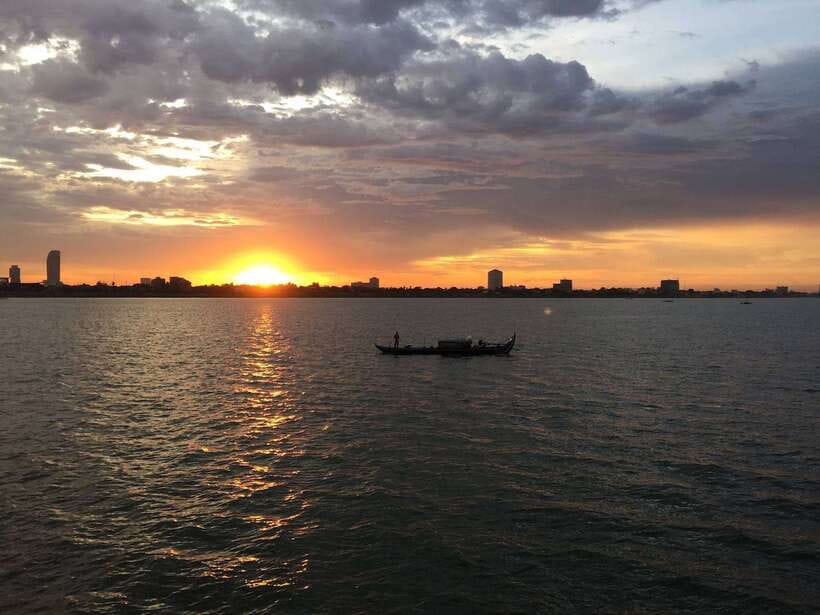
Sunset doesn’t always show up like a postcard. The sky can be overcast, and the tour still runs as planned. Even with clouds, you can often get a pleasing color shift and a calm end to the day.
When the light turns, it’s a full scene: floating homes, small boats, and the wide horizon all at once. This is why the timing works so well. You’re already in position on the lake.
If you want the best photos:
- Keep your first shots wide, then move closer for details once light softens
- Don’t wait until the last minute to find a viewing spot
- Take one or two “drink in hand” shots early, then put the camera away for the real moment
And yes, the boat atmosphere helps. This isn’t a silent, stiff dinner. It’s relaxed, with people enjoying the breeze and the fading day.
Group Size, Guide Style, and Why Names Matter

This tour uses an English-speaking guide, and the guide experience can make the whole thing feel smoother and more meaningful.
From what I’ve seen in different days and guide matchups, guides can include people with names like Hong (sometimes spelled Hung), Hoy, or Pol, who may be known as Mr Friday. There are also other guide names you might hear, such as Sophors.
What to look for, regardless of the name:
- Whether your guide explains the “why” behind the floating village setups
- Whether they connect lake life to local culture, like lotus significance
- Whether they keep the group moving at a pace that feels human
A good guide doesn’t just point things out. They help you read the scene.
Is This Tour Good Value at $49?
At $49 per person, the big question is what you get for the price. Here’s the honest breakdown.
Included in the cost:
- hotel pickup and drop-off
- English-speaking guides
- boat time for the floating village cruise
- a crocodile and fish farm stop (when water levels allow)
- buffet or fixed meal on Queen Tara
- unlimited drinks: beers, cocktails, wines, spirits, soft drinks, juices
- checkpoint fees
- skip-the-line entry via a separate entrance
So you’re paying for transport, multi-boat lake time, a full meal, and alcohol/soft drinks. That’s the key. Lots of day trips in Siem Reap charge you extra once you’re on the water. Here, the drinks are baked in, and that changes the feel of the evening.
Also, the duration helps. With about 4 hours total, you’re not committing to a full day just to see one sunset moment.
Who Should Book This Sunset Dinner Tour
This tour fits best if you want something different from the temple circuit. If you’ve already done Angkor Wat and feel ready for a more human, lake-centered experience, this is a strong choice.
It’s also good for:
- Couples looking for an easy evening plan with built-in sunset
- Families with kids who like boats and wildlife-focused education (with the crocodile stop as a reality check)
- People who want a cultural explanation without a long slog
If you’re the kind of traveler who only wants gourmet food, you might be happier saving your expectations for another meal. And if animal farms are a sensitive topic for you, you should think carefully before booking.
Should You Book It or Skip It?
Book this tour if you want:
- a sunset cruise with the best odds of actually seeing the light change
- unlimited drinks included, so the evening stays easy
- floating village life tied to water levels, plus a crocodile and fish farm stop for context
Consider skipping if:
- you expect a high-end dining experience
- you know the crocodile farm element will make you uncomfortable
If the timing works for you and you’re staying in Siem Reap, this is one of the easier ways to spend an evening that feels genuinely different from the typical day trips.
FAQ
How much is the Sunset Dinner Tour and how long is it?
It costs $49 per person. The total duration is 4 hours, and starting times vary by availability.
What is included in the price?
Hotel pickup and drop-off, an English-speaking guide, meal aboard the Queen Tara, checkpoint fees, unlimited beers, spirits, cocktails, wines, soft drinks, and juices, plus the tours of the floating village and the crocodile and fish farm.
Does the tour include drinks with alcohol?
Yes. Drinks are unlimited and include beers, cocktails, wines, and spirits, along with soft drinks and juices.
Where do you start from in Siem Reap?
Your tour includes pickup from your hotel or guesthouse. The pickup time is around 15:30, and your driver and guide will collect you at your reception area.
Is the floating village route the same every day?
Not necessarily. The floating villages can be in river canals or the lake proper depending on the time of year and water levels, but the cruise aims to cover the floating villages.
Will you always visit the crocodile and fish farm?
It’s included as part of the tour, but the stop depends on current water levels.
How much do children pay?
Children 10 years old and under pay half price. Children under 5 enter for free.